
How to set up a business in Vanuatu
pcmurraypl • October 24, 2024
"Navigating the Essentials: A Comprehensive Guide to Establishing Your Business in Vanuatu"
Setting Up a Business in Vanuatu: A Comprehensive Guide
Vanuatu, a beautiful archipelago in the South Pacific, offers more than just stunning landscapes and crystal-clear waters. For aspiring entrepreneurs, it presents an attractive opportunity to establish a business due to its favorable tax regime, strategic geographic location, and supportive government policies. This blog outlines the essential steps for setting up a business in Vanuatu, making the process seamless and efficient.Understanding Vanuatu’s Business Environment
Before diving into the process, it is crucial to understand the business environment in Vanuatu. The country has established itself as a financial hub and a growing center for tourism, agriculture, and marine industries. Vanuatu’s stable political climate, simple regulations, and a robust infrastructure for international trade further enhance its appeal to entrepreneurs.Advantages of Doing Business in Vanuatu
- Tax Benefits: Vanuatu has no income tax, capital gains tax, or estate tax. This favorable tax structure is advantageous for businesses looking to maximize their revenues.
- Business-Friendly Regulations: The government encourages foreign investment and provides a straightforward regulatory framework.
- Strategic Location: Vanuatu is strategically positioned between Australia and New Zealand, making it an excellent base for reaching these markets.
- Supportive Government Policies: The Vanuatu government offers incentives for foreign investors, including grants and loans for specific projects.
Steps to Set Up a Business in Vanuatu
1. Structuring Your Business
The first step in setting up a business in Vanuatu is to decide on the type of business structure that suits your needs. The most common structures include:- Sole Proprietorship: Ideal for individuals starting a small business, requires minimal setup.
- Partnerships: Involves two or more people who share profits and responsibilities.
- Companies: A more complex structure suitable for larger operations, including local and international companies.
2. Conduct Market Research
Conducting thorough market research is crucial to understand the local economy, potential competitors, and customer preferences. This will help you tailor your products or services to meet local demands and identify potential market gaps.3. Create a Business Plan
A solid business plan is essential for outlining your business objectives, strategies, and financial projections. It should cover:- Executive Summary
- Market Analysis
- Organizational Structure
- Product line or Services
- Marketing and Sales Strategies
- Funding Requirements
4. Register Your Business
Once you’ve developed a business plan, the next step is to register your business. The registration process in Vanuatu involves several key steps:a. Choose a Business Name
Select a unique name for your business that complies with Vanuatu’s naming conventions.b. Check Name Availability
Verify that your chosen business name is available through the Vanuatu Financial Services Commission (VFSC).c. Complete Registration Form
Fill out the registration form, which can be obtained from the VFSC. This may require submitting specific documents, including your business plan and identification.d. Pay Registration Fees
The registration process incurs a fee, which varies depending on the type of entity you choose.e. Obtain a Business License
After successfully registering your business, you need to apply for a work permit or business license from the local council.5. Open a Business Bank Account
To manage your finances effectively, open a local business bank account. This is important for managing cash flow, processing payments, and handling tax obligations. Compare various banks to find one that suits your business needs and offers reasonable fees and services.6. Understand Tax Obligations
While Vanuatu has a favorable tax regime, it’s still important to understand your tax obligations. Businesses are usually required to register for the goods and services tax (GST) if they exceed a certain threshold. Consult with a local tax advisor to ensure compliance with all regulations.7. Secure Necessary Permits and Licenses
Depending on the nature of your business, you may need specific permits or licenses to operate legally. For example, tourism and hospitality businesses might require health inspections or environmental permits. Ensure you research the requirements specific to your industry.8. Hire Employees
If you plan to hire staff, familiarize yourself with labor laws and regulations in Vanuatu. Ensure that you comply with minimum wage laws, working conditions, and employee rights. It’s advisable to draft employment contracts that outline terms and conditions clearly.9. Market Your Business
Once your business is set up, it’s time to create awareness and attract customers. Consider utilizing digital marketing strategies, such as social media advertising and search engine optimization. Additionally, local marketing efforts like networking within the community can be beneficial.10. Leverage Support from Local Organizations
Vanuatu has various organizations and government bodies that support entrepreneurs. Consider reaching out to the Vanuatu Chamber of Commerce and Industry or local business development centers for advice, resources, and networking opportunities.Conclusion
Setting up a business in Vanuatu can be a rewarding venture, provided you navigate the process systematically. With a clear understanding of the regulatory environment, a well-defined business plan, and a strategic approach to marketing, you can establish a successful business in this picturesque nation. Remember to continuously seek advice from local experts and stay informed about any changes in regulations that may impact your business operations. Embrace the unique opportunities that Vanuatu offers and embark on an exciting entrepreneurial journey. Recent Posts

By Justine Murray
•
October 18, 2026
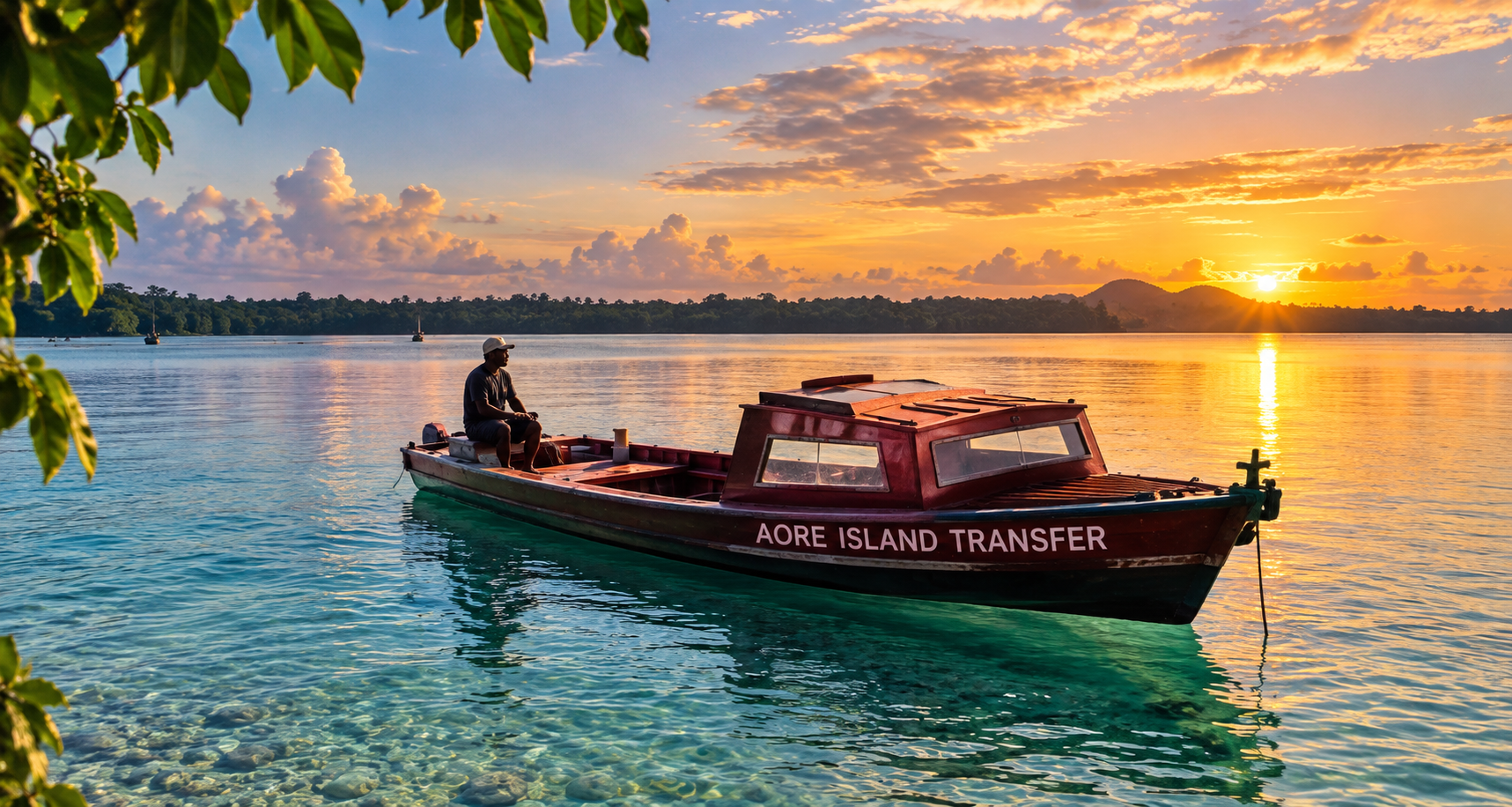
How to get to Aore Island, Vanuatu from Santo. Find ferry and boat transfers, departure points, travel tips and full-day island tours with hotel pickup.
By Justine Murray
•
October 11, 2026
Boat taxis from Santo to Aore Island, Vanuatu. See current ferry, private boat and airport transfer prices, pickup points and travel information.
By Justine Murray
•
October 9, 2026
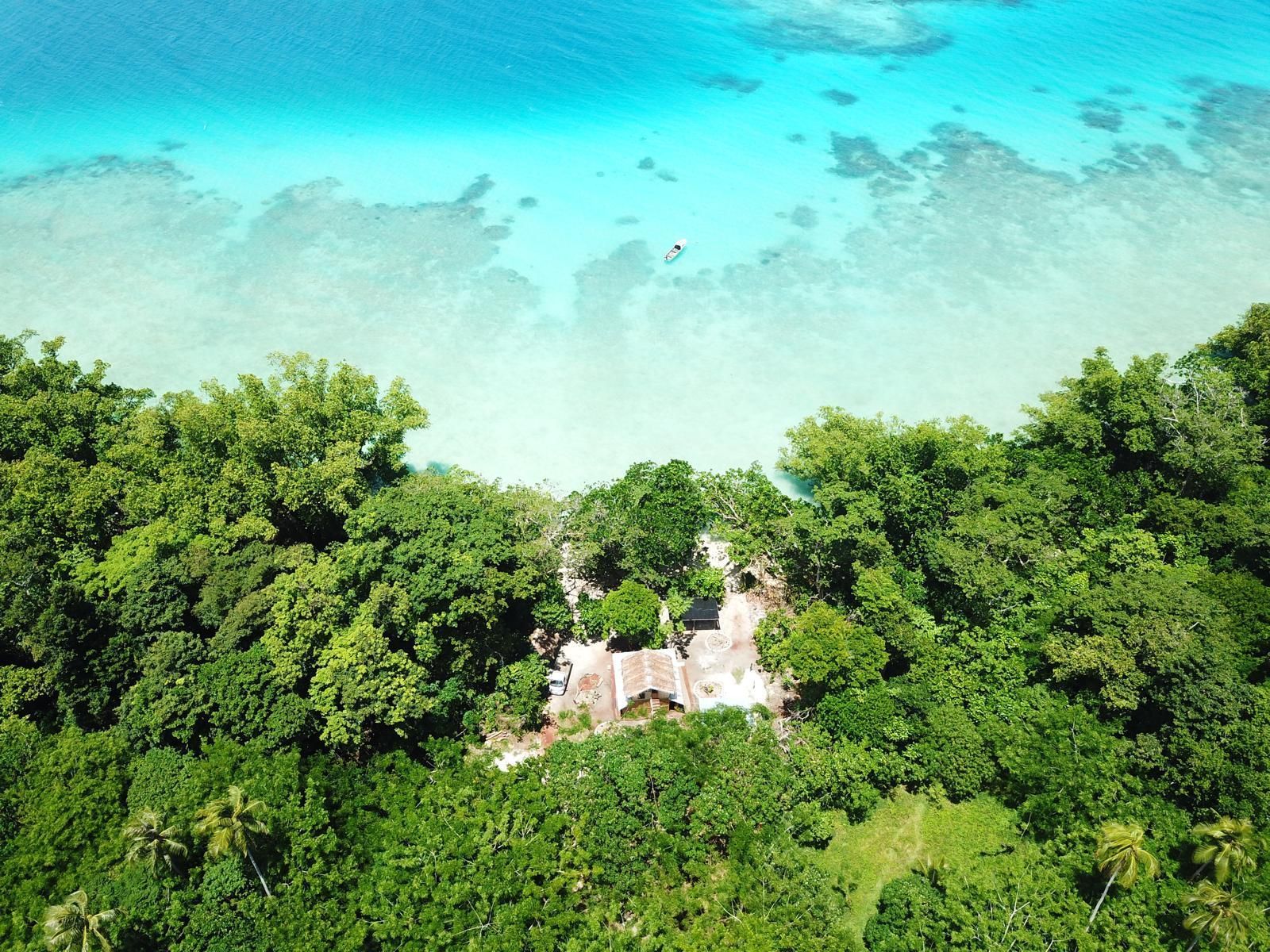
Discover Aore Island, Vanuatu. Find accommodation, beaches, tours, snorkelling, transport and local experiences just minutes by boat from Santo.