
Understanding Cyclone Rate and Its Impact

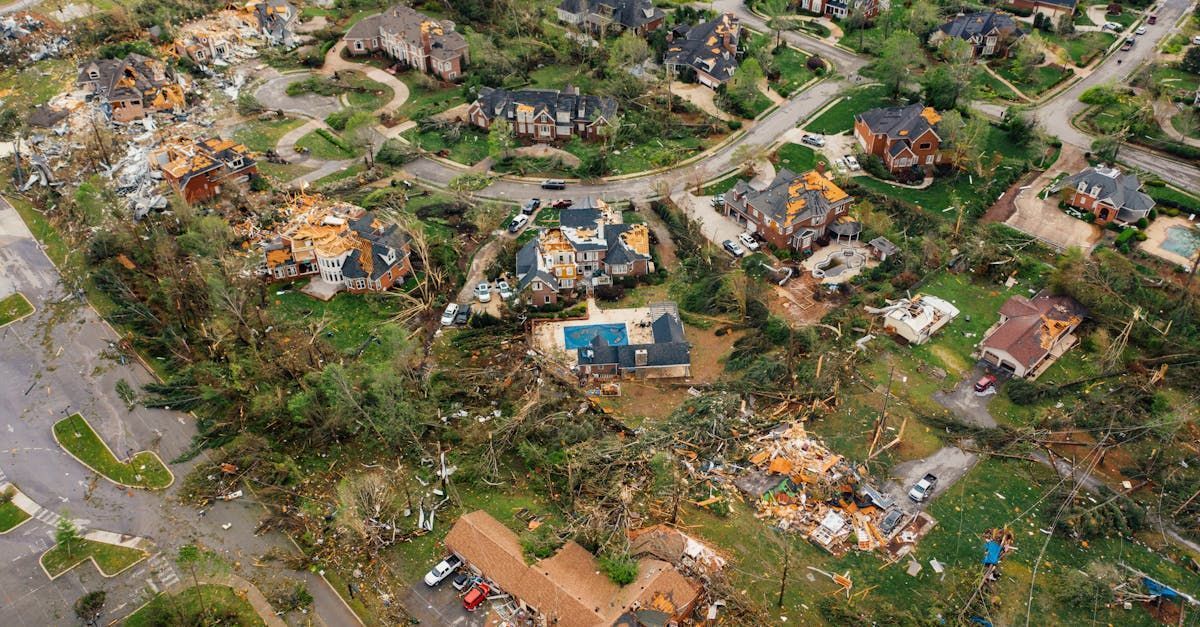
An aerial view of a residential area damaged

                         Understanding Cyclone Ratings

Cyclone rating is a measure of the intensity of a tropical cyclone, which is a type of storm that forms over warm tropical waters. The rating system is used to categorize cyclones based on their sustained wind speeds and potential damage they could cause.


The most commonly used cyclone rating system is the Saffir-Simpson Hurricane Wind Scale, which categorizes cyclones into five different levels based on their wind speeds. A Category 1 cyclone has wind speeds of 74-95 mph, while a Category 5 cyclone has wind speeds of 157 mph or higher.


The cyclone rating system helps forecasters and emergency management agencies to communicate the potential impact of a cyclone to the public. By assigning a rating to a cyclone, people can better understand the level of danger and take appropriate precautions to protect themselves and their property.


In addition to wind speeds, the cyclone rating system also takes into account other factors such as storm surge, rainfall, and potential flooding. These factors can have a significant impact on the overall severity of a cyclone and its potential for causing damage and loss of life.


It's important to note that cyclone ratings are not an exact science and can fluctuate as the storm develops and intensifies. Forecasters constantly monitor cyclones and update their ratings based on new data and observations.


Cyclone ratings are crucial for residents living in cyclone-prone regions to know when to evacuate and seek shelter. Understanding the rating system can help people make informed decisions about how to prepare for and respond to a cyclone event.


Emergency management agencies use cyclone ratings to coordinate response efforts and allocate resources to areas that are most at risk. The ratings help prioritize evacuation orders, mobilize emergency shelters, and provide assistance to communities in the aftermath of a cyclone.


Cyclone ratings also help insurance companies assess the potential risk and cost of damage caused by a cyclone. Insurers use the ratings to determine premiums, coverage limits, and payout amounts based on the severity of the storm.


In recent years, the impact of climate change has raised concerns about the potential for more intense and destructive cyclones. Some experts argue that the current rating system may need to be revised to account for the changing nature of cyclones and their increased frequency and intensity.


Overall, cyclone ratings serve as an important tool for predicting, preparing for, and responding to cyclones. By understanding the significance of cyclone ratings, individuals and communities can better protect themselves and mitigate the potential impacts of these powerful storms.


Have more questions?

By Justine Murray October 22, 2024
"Exploring Aore Island: Unmatched Investment Potential in Pristine Paradise"
A thatched hut is surrounded by a clear bubble
By Noelyn Timothy July 10, 2024
WHAT IS A REAL ESTATE BUBBLE? A real estate bubble occurs when the prices of real estate properties are driven up to unsustainable levels due to speculation, excessive demand, and unrealistic expectations of future price increases. This can lead to a period of rapid price growth followed by a sudden and sharp decline in property values. Real estate bubbles can have significant negative effects on the economy, financial markets, and individuals who have invested in property during the bubble period. COUNTRIES IN A REAL ESTATE BUBBLE IN 2024 It is difficult to predict with certainty which countries will be in a real estate bubble in 2024. However, some countries that have been identified as potentially at risk of a real estate bubble include: Canada: The Canadian housing market has been experiencing rapid price growth in recent years, particularly in major cities like Toronto and Vancouver. Sweden: Sweden has also seen significant increases in housing prices, leading some observers to raise concerns about a potentially overheated market. Australia: The Australian housing market has been experiencing strong price growth, particularly in major cities like Sydney and Melbourne. United Kingdom: The UK housing market has been strong in recent years, particularly in London and the southeast, raising concerns about a potential bubble. It is important to note that these are just a few examples of countries that have been identified as potentially at risk of a real estate bubble, and the situation may change in the future. Investors and policymakers should monitor these markets closely for signs of overheating and take appropriate measures to address any potential risks. According to reliable real estate sources, Vanuatu is considered a great place to invest in real estate due to its stable and steadily growing market. Unlike other popular real estate markets that are experiencing a bubble, Vanuatu has seen consistent growth without the risk of a sudden downturn. The country's political stability, attractive tax incentives for investors, and growing tourism industry have all contributed to the increasing demand for property in Vanuatu. Additionally, the low cost of living and beautiful natural surroundings make it a desirable destination for both investors and expats looking to purchase a second home or vacation property. Overall, Vanuatu offers a unique opportunity for investors to diversify their portfolio in a market that is both stable and promising for long-term growth. With a supportive government and an expanding economy, investing in real estate in Vanuatu is considered a wise decision by industry experts.
A man in a hat is holding a yellow fruit in his hands.
By Justine Murray July 10, 2024
Do you have Passion for Farming?
Show More