
What is Green Entrepreneurship
pcmurraypl • July 10, 2024
Do you have Passion for Farming?
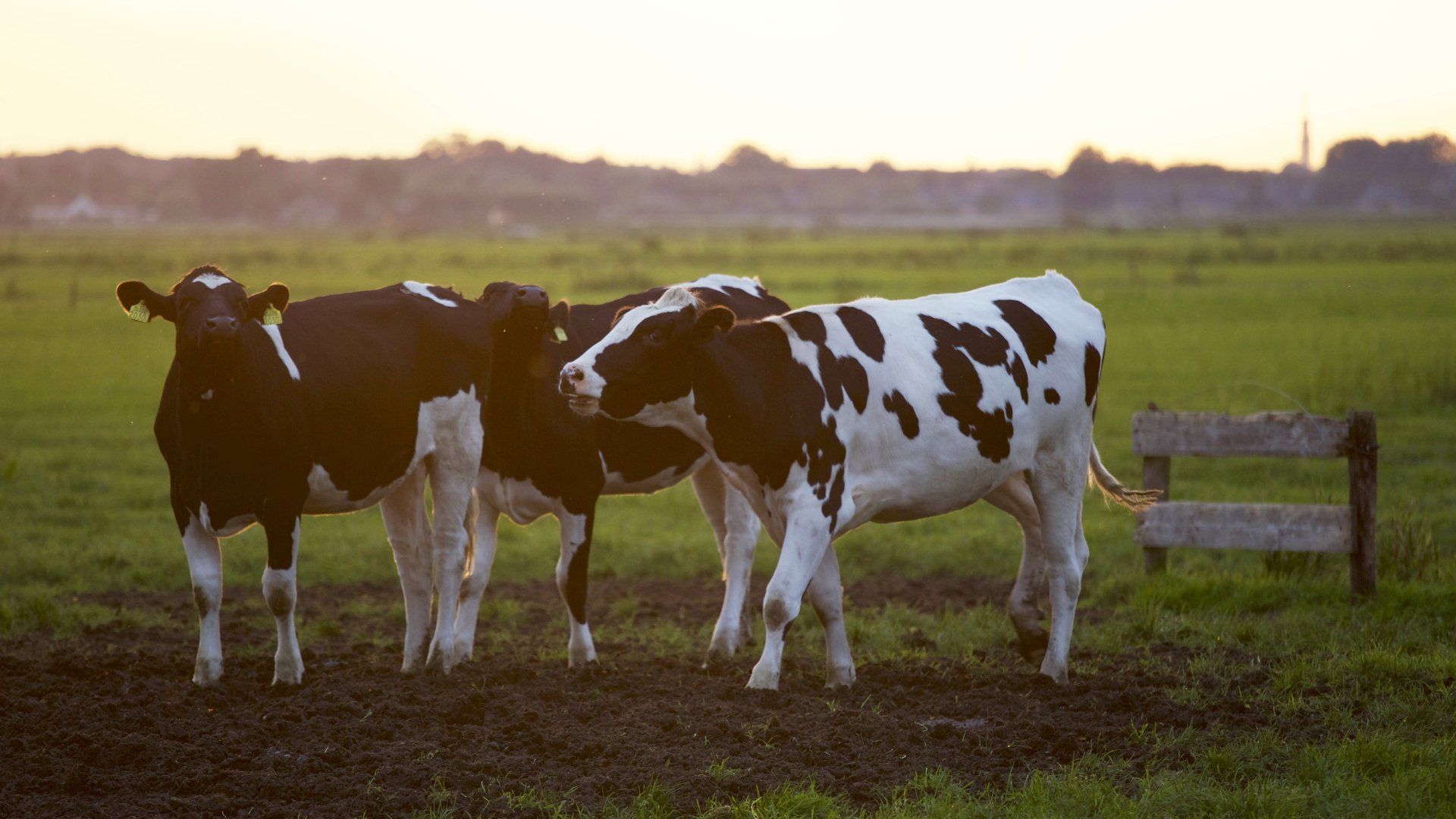
Green entrepreneurship is a business model that prioritizes environmental sustainability and social responsibility. It involves creating and operating businesses that not only generate profit but also have a positive impact on the planet and society.
Green entrepreneurs seek to address pressing environmental issues such as climate change, pollution, and resource depletion through innovative products, services, and business practices. They aim to minimize their carbon footprint, reduce waste and greenhouse gas emissions, conserve natural resources, and promote renewable energy sources.
One of the key aspects of green entrepreneurship is the adoption of circular economy principles, which focus on minimizing waste and maximizing resource efficiency. This may involve using recycled materials, designing products for longevity and easy repair, and implementing take-back programs for responsible disposal.
Green entrepreneurs also prioritize social responsibility by treating their employees fairly, supporting local communities, and promoting diversity and inclusivity. They often collaborate with non-profit organizations, government agencies, and other businesses to drive positive change and create a more sustainable future.
In addition to their environmental and social impact, green businesses can also be financially successful. Many consumers are becoming more conscious of the environmental and social implications of their purchasing decisions and are willing to support businesses that align with their values.
Overall, green entrepreneurship is a growing movement that is driving innovation and sustainability in business. By combining profit-making with positive social and environmental impact, green entrepreneurs are helping to create a more sustainable and equitable world for future generations.
Starting as a green entrepreneur involves several steps and considerations. Here are some key steps to get started:
1. Identify a sustainable business idea: Start by identifying a business idea that aligns with your passion for sustainability and environmental responsibility. Consider industries such as renewable energy, organic agriculture, eco-friendly products, and waste management.
2. Conduct market research: Research the market demand for your green business idea, as well as the competition and potential customers. Understand the needs and preferences of your target market to develop a successful business strategy.
3. Develop a business plan: Create a detailed business plan that outlines your vision, mission, target market, products or services, marketing strategy, and financial projections. A well-thought-out business plan will help you stay on track and secure funding if needed.
4. Secure funding: Determine how much funding you will need to start and grow your green business. Consider bootstrapping, crowdfunding, loans, or seeking investors who are interested in sustainability and environmental causes.
5. Build a strong network: Connect with other green entrepreneurs, sustainability experts, and industry leaders to exchange ideas, gain knowledge, and find potential partnerships. Networking can also help you promote your business and attract customers.
6. Focus on sustainability: Incorporate sustainable practices into all aspects of your business, from sourcing eco-friendly materials and reducing waste to promoting energy efficiency and supporting social causes. Show your commitment to sustainability to attract eco-conscious customers and investors.
7. Stay informed and adaptable: Keep up with the latest trends and innovations in the green industry, and be willing to adapt your business model to stay competitive and relevant. Continuous learning and improvement are key to building a successful green business.
In today's society, being environmentally conscious is more important than ever. With the increasing threat of climate change and the harmful effects of pollution on our planet, it is crucial for individuals and businesses to take action to reduce their carbon footprint and work towards a more sustainable future.
As an entrepreneur, it is essential to consider the environmental impact of your business practices. This not only benefits the planet, but it can also have positive implications for your bottom line. Consumers are becoming increasingly aware of the environmental impact of the products they buy and the companies they support, so being a green entrepreneur can also be good for business.
Being a green entrepreneur means incorporating sustainable practices into every aspect of your business, from sourcing materials to waste management. This can involve things like using recycled or eco-friendly materials, reducing energy consumption, and implementing green initiatives such as composting or recycling programs.
One of the key aspects of being a green entrepreneur is leading by example. By being transparent about your commitment to sustainability, you can inspire others to do the same. This can create a ripple effect, encouraging more businesses to adopt environmentally friendly practices and ultimately leading to a more sustainable economy.
Being a green entrepreneur also means being innovative and constantly looking for new ways to reduce your environmental impact. This can involve investing in renewable energy sources, exploring new technologies that minimize waste, or collaborating with other like-minded businesses to find creative solutions to common environmental challenges.
In conclusion, being a green entrepreneur is not just about doing the right thing for the planet – it is also about creating a more sustainable and profitable business. By prioritizing sustainability in your business practices, you can make a positive impact on the environment and inspire others to do the same. So, are you a green entrepreneur? If not, there's no better time to start than now. Some of the biggest agricultural exports from Vanuatu include:
1. Copra (dried coconut meat), which is one of the country's main cash crops 2. Cocoa beans, used in the production of chocolate and other confectionery products 3. Kava, a traditional herbal drink with sedative properties 4. Vanilla beans, used in the production of flavorings and perfumes 5. Coffee beans, grown in the highlands of the country 6. Organic fruits and vegetables, such as bananas, pineapples, and yams
These agricultural products are in high demand on the international market, particularly in countries like Australia, New Zealand, and Europe, providing farmers in Vanuatu with valuable income opportunities. See you in Vanuatu Juss x
Green entrepreneurs seek to address pressing environmental issues such as climate change, pollution, and resource depletion through innovative products, services, and business practices. They aim to minimize their carbon footprint, reduce waste and greenhouse gas emissions, conserve natural resources, and promote renewable energy sources.
One of the key aspects of green entrepreneurship is the adoption of circular economy principles, which focus on minimizing waste and maximizing resource efficiency. This may involve using recycled materials, designing products for longevity and easy repair, and implementing take-back programs for responsible disposal.
Green entrepreneurs also prioritize social responsibility by treating their employees fairly, supporting local communities, and promoting diversity and inclusivity. They often collaborate with non-profit organizations, government agencies, and other businesses to drive positive change and create a more sustainable future.
In addition to their environmental and social impact, green businesses can also be financially successful. Many consumers are becoming more conscious of the environmental and social implications of their purchasing decisions and are willing to support businesses that align with their values.
Overall, green entrepreneurship is a growing movement that is driving innovation and sustainability in business. By combining profit-making with positive social and environmental impact, green entrepreneurs are helping to create a more sustainable and equitable world for future generations.
Starting as a green entrepreneur involves several steps and considerations. Here are some key steps to get started:
1. Identify a sustainable business idea: Start by identifying a business idea that aligns with your passion for sustainability and environmental responsibility. Consider industries such as renewable energy, organic agriculture, eco-friendly products, and waste management.
2. Conduct market research: Research the market demand for your green business idea, as well as the competition and potential customers. Understand the needs and preferences of your target market to develop a successful business strategy.
3. Develop a business plan: Create a detailed business plan that outlines your vision, mission, target market, products or services, marketing strategy, and financial projections. A well-thought-out business plan will help you stay on track and secure funding if needed.
4. Secure funding: Determine how much funding you will need to start and grow your green business. Consider bootstrapping, crowdfunding, loans, or seeking investors who are interested in sustainability and environmental causes.
5. Build a strong network: Connect with other green entrepreneurs, sustainability experts, and industry leaders to exchange ideas, gain knowledge, and find potential partnerships. Networking can also help you promote your business and attract customers.
6. Focus on sustainability: Incorporate sustainable practices into all aspects of your business, from sourcing eco-friendly materials and reducing waste to promoting energy efficiency and supporting social causes. Show your commitment to sustainability to attract eco-conscious customers and investors.
7. Stay informed and adaptable: Keep up with the latest trends and innovations in the green industry, and be willing to adapt your business model to stay competitive and relevant. Continuous learning and improvement are key to building a successful green business.
In today's society, being environmentally conscious is more important than ever. With the increasing threat of climate change and the harmful effects of pollution on our planet, it is crucial for individuals and businesses to take action to reduce their carbon footprint and work towards a more sustainable future.
As an entrepreneur, it is essential to consider the environmental impact of your business practices. This not only benefits the planet, but it can also have positive implications for your bottom line. Consumers are becoming increasingly aware of the environmental impact of the products they buy and the companies they support, so being a green entrepreneur can also be good for business.
Being a green entrepreneur means incorporating sustainable practices into every aspect of your business, from sourcing materials to waste management. This can involve things like using recycled or eco-friendly materials, reducing energy consumption, and implementing green initiatives such as composting or recycling programs.
One of the key aspects of being a green entrepreneur is leading by example. By being transparent about your commitment to sustainability, you can inspire others to do the same. This can create a ripple effect, encouraging more businesses to adopt environmentally friendly practices and ultimately leading to a more sustainable economy.
Being a green entrepreneur also means being innovative and constantly looking for new ways to reduce your environmental impact. This can involve investing in renewable energy sources, exploring new technologies that minimize waste, or collaborating with other like-minded businesses to find creative solutions to common environmental challenges.
In conclusion, being a green entrepreneur is not just about doing the right thing for the planet – it is also about creating a more sustainable and profitable business. By prioritizing sustainability in your business practices, you can make a positive impact on the environment and inspire others to do the same. So, are you a green entrepreneur? If not, there's no better time to start than now. Some of the biggest agricultural exports from Vanuatu include:
1. Copra (dried coconut meat), which is one of the country's main cash crops 2. Cocoa beans, used in the production of chocolate and other confectionery products 3. Kava, a traditional herbal drink with sedative properties 4. Vanilla beans, used in the production of flavorings and perfumes 5. Coffee beans, grown in the highlands of the country 6. Organic fruits and vegetables, such as bananas, pineapples, and yams
These agricultural products are in high demand on the international market, particularly in countries like Australia, New Zealand, and Europe, providing farmers in Vanuatu with valuable income opportunities. See you in Vanuatu Juss x
Recent Posts

By Justine Murray
•
October 18, 2026
How to get to Aore Island, Vanuatu from Santo. Find ferry and boat transfers, departure points, travel tips and full-day island tours with hotel pickup.

By Justine Murray
•
October 11, 2026
Boat taxis from Santo to Aore Island, Vanuatu. See current ferry, private boat and airport transfer prices, pickup points and travel information.

By Justine Murray
•
October 9, 2026
Discover Aore Island, Vanuatu. Find accommodation, beaches, tours, snorkelling, transport and local experiences just minutes by boat from Santo.