
What is Natagura plant in Vanuatu used for?
June 19, 2025
"Exploring the Traditional Uses and Cultural Significance of the Natagura Plant in Vanuatu"
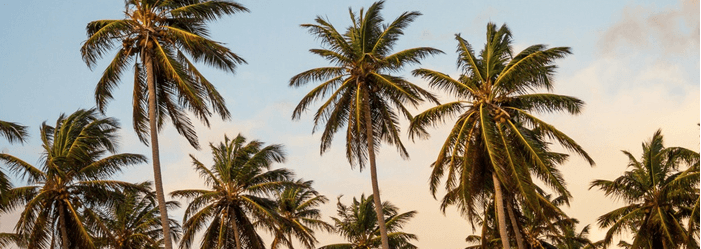
Exploring the Natagura Plant: Vanuatu's Green Treasure
The Natagura plant (known scientifically as Pandanus tectorius), also referred to as the screwpine, is an integral part of Vanuatu’s rich biodiversity and cultural heritage. This unique plant is not only admired for its distinct appearance but is also celebrated for its wide array of uses in traditional customs, medicine, and modern applications. This blog delves into the multifaceted significance of the Natagura plant in Vanuatu, highlighting its traditional uses, ecological importance, and the potential for sustainable development.1. Cultural Significance and Traditional Uses
In Vanuatu, the Natagura plant holds a revered position within local culture. Its leaves, which are long, narrow and spiky, are traditionally harvested for various purposes. One of the most prominent uses is in crafting traditional mats, baskets, and other woven items. The fibers of the leaves can be stripped and softened through a process that involves beating them against a hard surface, making them pliable for weaving. This age-old craft not only offers practical items for daily use but also supports the preservation of cultural practices and artistry.Moreover, the Natagura plant is employed in ceremonial contexts. The leaves are often used during important celebrations, rituals, and festivals, symbolizing prosperity and connection to ancestral traditions. In this way, the Natagura plant transcends utility; it embodies the identity of the communities that rely on it for sustenance and cultural expression.
2. Medicinal Uses
Beyond its cultural significance, the Natagura plant is recognized for its potential medicinal properties. Traditional practices in Vanuatu often incorporate various parts of the plant into herbal remedies. For instance, the leaves and roots may be used in concoctions aimed at treating ailments such as fevers, digestive issues, and skin conditions. While scientific research on the specific medicinal efficacy of the Natagura plant is still limited, the ethnomedical applications underscore its importance in traditional healing practices.The plant's ability to thrive in coastal areas also allows for easy access, making it a vital resource for many local communities. The knowledge of how to properly utilize the Natagura plant is typically passed down through generations, ensuring that traditional healing methods remain a cornerstone of local health care.
3. Ecological Importance
Natagura plays a significant role in the ecosystem of Vanuatu. It typically grows in coastal areas, particularly in sandy soils, contributing to the stabilization of shorelines. The extensive root system of the Natagura plant helps prevent erosion and serves as a natural barrier against strong winds and waves. This protective function is crucial in safeguarding infrastructure and agricultural lands from the ravages of climate change and extreme weather events.Moreover, the Natagura plant supports local wildlife. Its fruits, often referred to as 'screwpine fruit,' are edible and provide food for various bird species and other animals. The plant’s structure can also create habitats that support biodiversity, making it a valuable component of the island's ecology. By promoting the health of coastal ecosystems, the Natagura plant plays a critical role in maintaining environmental balance.
4. Sustainable Development Potential
As awareness grows around sustainable practices and the need for biodiversity conservation, the Natagura plant offers numerous opportunities for sustainable development in Vanuatu. Its diverse applications can contribute to local economies while fostering environmentally-friendly practices.The weaving of Natagura leaves into handicrafts not only provides an income source for local artisans but also offers a way to promote Vanuatu’s unique cultural heritage. With increased interest in eco-tourism and cultural tourism, there is potential for artisans to showcase their skills to visitors, creating economic opportunities while also preserving traditional crafts.
Additionally, the Natagura plant can play a role in sustainable agriculture. Its cultivation can be integrated into agroforestry systems, providing farmers with additional resources while protecting against soil erosion. Raising awareness about the plant’s ecological benefits can further encourage its cultivation, supporting both environmental health and community livelihoods.
5. Challenges and Conservation Efforts
Despite its importance, the Natagura plant faces challenges linked to habitat loss, climate change, and the encroachment of invasive species. As coastal areas in Vanuatu are subjected to development pressures, the delicate balance of these ecosystems is threatened. Conservation efforts are vital to ensure the survival of the Natagura plant along with other native species.Community engagement in conservation strategies is paramount. Educational programs focusing on the ecological significance of the Natagura plant and its traditional uses can empower local populations to take an active role in preserving this vital resource. Collaboration between governmental bodies, NGOs, and local communities is essential in fostering a sustainable approach to resource management and cultivation.
6. Conclusion
The Natagura plant is more than just a botanical specimen in Vanuatu; it is a cultural icon, a traditional remedy, an ecological protector, and a potential catalyst for sustainable development. Understanding and appreciating the myriad uses of the Natagura plant allows us to acknowledge its significance in the lives of the people of Vanuatu. As we navigate contemporary challenges such as climate change and biodiversity loss, recognizing the value of such indigenous resources becomes increasingly critical. In promoting sustainable practices and conservation efforts, not only do we safeguard the future of the Natagura plant, but we also contribute to the resilience of coastal communities in Vanuatu. The legacy of this remarkable plant is a testament to the ingenuity and resourcefulness of the people who have relied on it for generations. Embracing this knowledge and prioritizing its preservation is not just an act of respect; it is a commitment to future generations who will continue to weave the story of Vanuatu through the threads of the Natagura plant.Recent Posts
By Justine Murray
•
September 22, 2026
2-acre property on Aore Island, Vanuatu, just 450m from the beach. Priced at AUD $85,000. Tropical island land ideal for lifestyle or investment.
By Justine Murray
•
September 21, 2026
Learn how buying land in Vanuatu works, including leasehold ownership, legal steps, costs, approvals and what foreign buyers need to know.

By Justine Murray
•
September 18, 2026
Solomon Airlines has changed its Vanuatu flight schedule. Here’s what Santo travellers need to know, including Sunday arrivals, transfers, September 2026