
What is a custom owner in Vanuatu
pcmurraypl • October 20, 2024
"Understanding the Role and Responsibilities of Customer Owners in Vanuatu's Business Landscape"
Understanding Customer Ownership in Vanuatu
Vanuatu, a picturesque archipelago located in the South Pacific, is becoming an increasingly vibrant hub for tourism, trade, and various forms of enterprise. As the economy grows, so does the need for businesses to focus on their most valuable asset: the customer. Within this context, the term "Customer Owner" comes into play, emphasizing the relationship between businesses and their clients. But what exactly does it mean to be a Customer Owner in Vanuatu?Defining Customer Ownership
At its core, customer ownership refers to the idea that customers are not just passive recipients of goods and services; rather, they are active stakeholders in the brand's journey. This concept extends beyond mere transactions; it encompasses the entire customer experience, from pre-purchase through to post-purchase engagement.In Vanuatu's burgeoning economy, businesses that embrace customer ownership can leverage this philosophy to build loyalty, enhance customer satisfaction, and ultimately drive growth. By considering customers as owners, organizations can create tailored experiences that reflect local culture and values, which is particularly significant in a diverse society like Vanuatu.
The Importance of Culture in Customer Ownership
Vanuatu's unique cultural landscape plays a significant role in shaping the dynamics of customer ownership. With over 80 distinct languages and a rich tapestry of Melanesian traditions, businesses must recognize and respect local customs to cultivate genuine relationships. A customer owner in Vanuatu embodies the principles of respect, transparency, and community.1.Cultural Sensitivity: Understanding cultural nuances is pivotal for businesses. For example, what works in urban centers such as Port Vila may not resonate with residents of rural islands. Companies should invest in cultural training for staff and develop marketing strategies that reflect the local ethos.
2.Community Engagement: Customer ownership goes hand in hand with community involvement. Businesses that engage with local communities—be it through charity events, sponsorships, or collaboration with local artisans—create a sense of belonging and goodwill among customers. This strategy fosters a deeper emotional bond, encouraging customers to view the brand as an integral part of their community.
3.Trust and Transparency: In a market where personal relationships hold significant weight, establishing trust is critical. Businesses in Vanuatu can adopt transparent practices, such as openly sharing product sourcing and production processes. This not only affirms integrity but also empowers customers to feel confident in their choices, further solidifying their role as owners of the brand.
The Business Advantages of Embracing Customer Ownership
Businesses in Vanuatu that adopt a customer ownership approach are likely to reap several benefits:1.Increased Customer Loyalty: When customers feel valued and involved, they are more likely to return. Loyalty translates into repeat business, which is vital for sustained success. With the growth of social media, happy customers also become brand advocates, spreading positive word-of-mouth that can significantly influence prospective customers.
2. Enhanced Customer Feedback: A customer ownership model encourages open communication between businesses and their clients. By actively seeking feedback, companies can identify areas for improvement and innovate their offerings. In Vanuatu, where tourism fluctuates seasonally, such adaptability is crucial for enduring challenges in the market.
3. Improved Brand Reputation: Companies that prioritize customer ownership often experience stronger reputational capital. Beyond just selling products, they cultivate trust, empathy, and understanding within the community. In turn, this leads to a positive brand perception, attracting more customers who wish to engage with responsible and customer-centric enterprises.
4.Sustainable Growth: The long-term success of any business hinges on cultivating loyal customers. By treating customers as stakeholders, businesses in Vanuatu can ensure sustainability. This involves listening to customer needs and adapting offerings accordingly, thus maintaining relevance in an evolving marketplace.
Strategies for Nurturing Customer Ownership
To evolve into a customer-owned business, Vanuatu enterprises can implement several strategies:- Personalized Experiences: Leverage customer data to tailor experiences to individual preferences. Personalization can extend to product offerings, marketing material, and customer interaction patterns.
- Feedback Mechanisms: Develop robust channels for gathering customer feedback, including surveys, social media engagement, and direct communication. Actively addressing customer concerns demonstrates commitment to their needs.
- Loyalty Programs: Implement loyalty programs that reward repeat customers. This not only encourages recurring visits but also reinforces the idea that customers are valued contributors to the business’s success.
- Community Building: Foster a sense of community around the brand. Hosting events, sponsoring local teams, or organizing workshops can strengthen ties between the business and its customer base, allowing for richer engagement.
- Effective Communication: Utilize various communication platforms to keep customers informed about product launches, promotions, and company news. Regular updates keep customers connected and engaged.
- Education and Empowerment: Equip customers with knowledge about products, services, and best practices. Workshops or informational sessions empower customers and foster a sense of ownership and advocacy over their choices.
Conclusion In an increasingly competitive market, the concept of customer ownership stands as a powerful tool for businesses in Vanuatu. By recognizing customers not just as consumers, but as integral partners in the journey, businesses can build strong, lasting relationships that lead to mutual success. Embracing cultural sensitivity, community involvement, and effective communication forms the foundation of this approach. As Vanuatu continues to evolve economically, integrating customer ownership into business strategies will be essential. For local enterprises, those who adopt this mindset will not only enhance customer satisfaction but also secure their foothold in a vibrant—and often unpredictable—market landscape. As Vanuatu’s businesses navigate change, investing in customer ownership will remain key to unlocking sustainable growth and deepening their connection with the communities they serve.
Recent Posts

By Justine Murray
•
October 18, 2026
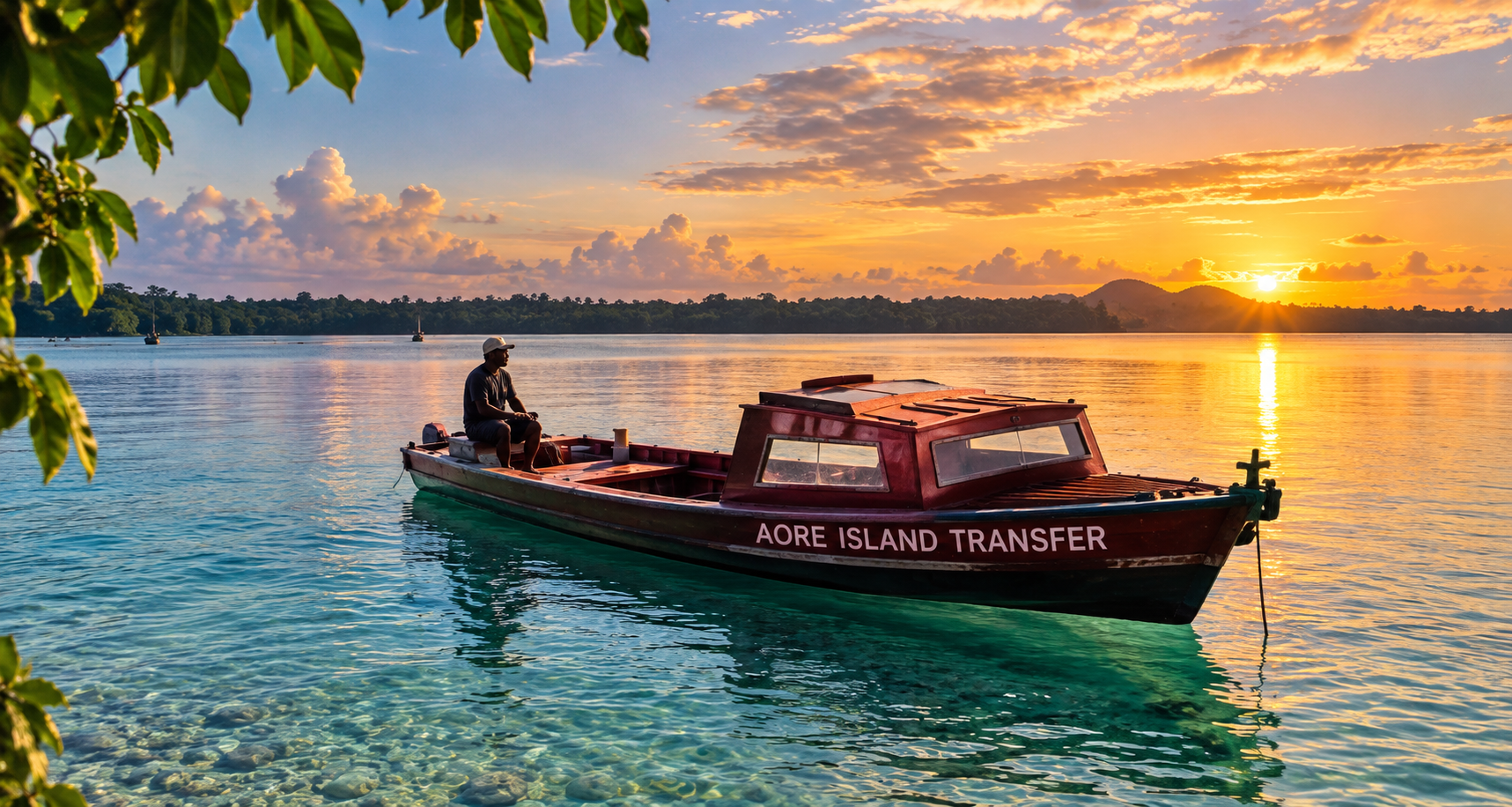
How to get to Aore Island, Vanuatu from Santo. Find ferry and boat transfers, departure points, travel tips and full-day island tours with hotel pickup.
By Justine Murray
•
October 11, 2026
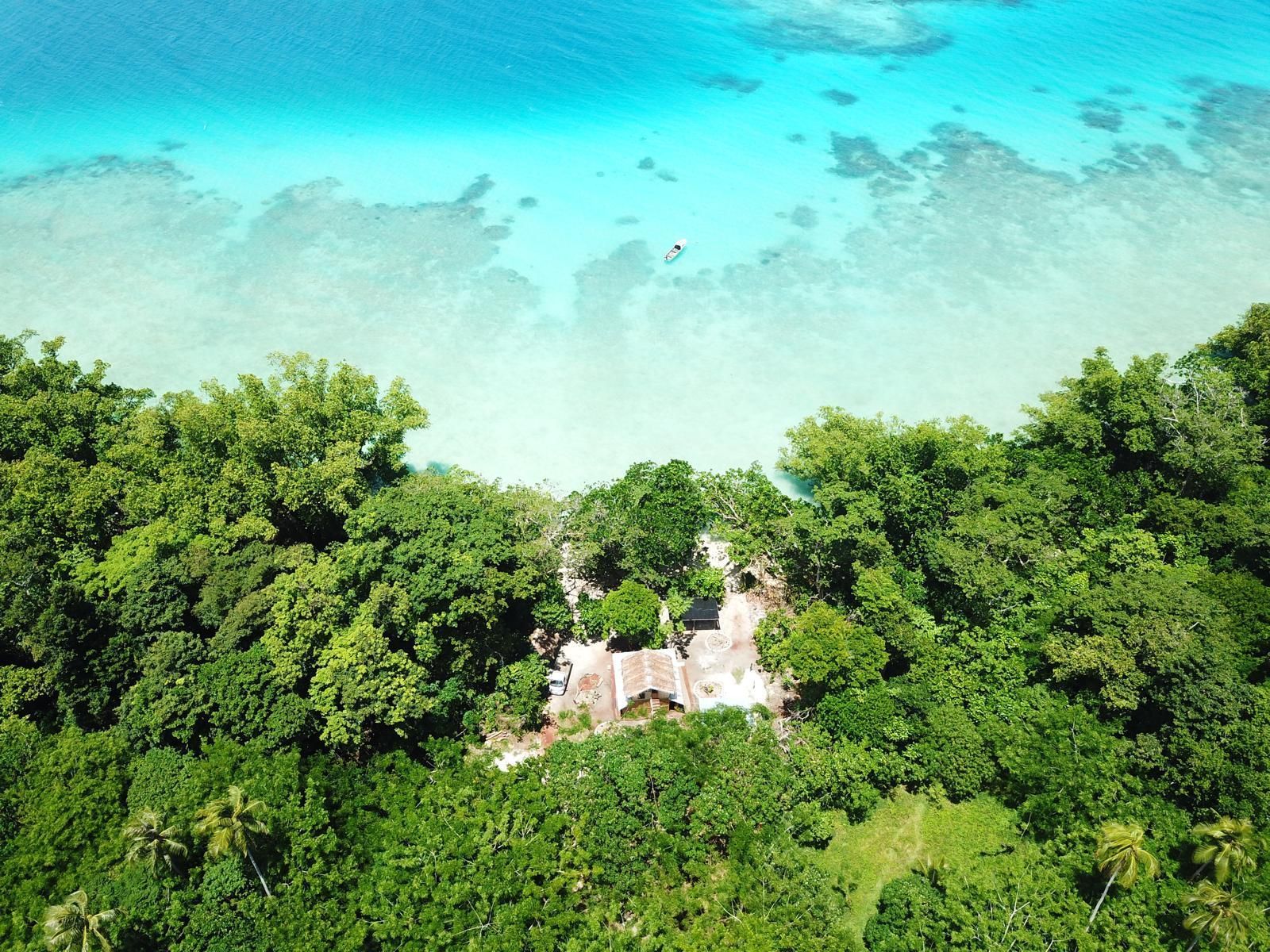
Boat taxis from Santo to Aore Island, Vanuatu. See current ferry, private boat and airport transfer prices, pickup points and travel information.
By Justine Murray
•
October 9, 2026
Discover Aore Island, Vanuatu. Find accommodation, beaches, tours, snorkelling, transport and local experiences just minutes by boat from Santo.