
Enhancing Cyclone Resilience
pcmurraypl • October 16, 2024
Comprehensive Guidelines for Enhancing Cyclone Resilience in Building Design and Construction
Enhancing Cyclone Resilience: A Critical Review of Queensland’s Building Guidelines
Cyclones represent a formidable threat to coastal regions, particularly in Queensland, Australia, where natural disasters are an all-too-frequent occurrence. With communities striving to minimize the impact of these devastating storms, the Queensland Reconstruction Authority (QRA) has taken the initiative to compile and publish comprehensive Cyclone Resilience Building Guidelines. These guidelines serve as an essential resource for architects, builders, engineers, and policymakers, advocating for enhanced resilience in building design and construction.Understanding the Cyclone Resilience Building Guidelines
The Cyclone Resilience Building Guidelines are structured to assist practitioners in the construction sector. Their primary focus is to deliver a set of best practices designed to increase the cyclone resilience of buildings and infrastructure in cyclone-prone areas. The guidelines include a variety of critical measures and strategies that address both new constructions and retrofitting existing structures.Key Features of the Guidelines
- Risk Assessment and Site Analysis: Before embarking on any construction project, it’s crucial to conduct a thorough risk assessment. The guidelines emphasize understanding local environmental conditions, historical cyclone data, and the specific vulnerabilities of a site. This preliminary analysis forms the bedrock upon which informed design decisions can be made.
2. Design Principles: The guidelines delineate essential design principles that incorporate resilience into new developments. These principles advocate for aerodynamic forms, lower roof weights, and the strategic selection of materials that can withstand extreme wind pressures. By emphasizing these considerations, designers can minimize wind load impacts and potential for structural failure.
3. Construction Practices: Attention to construction practices is vital. The guidelines provide recommendations for adhering to robust construction standards and codes, ensuring that buildings not only comply with regulation but also exceed minimum resilience criteria. This encompasses everything from anchoring systems to bracing configurations, emphasizing the importance of precision and quality control during the building process.
4. Land Use Planning: Resilience isn’t only dependent on individual structures; it’s also about the surrounding environment. The guidelines stress the importance of effective land use planning, including restrictions on development in flood-prone zones and preserving natural barriers, such as mangroves and wetlands, that can help mitigate cyclone impacts.
5.Community Engagement: Disaster resilience is a community effort. The guidelines encourage local governments to engage with the community and stakeholders throughout the planning and construction processes. Raising awareness and fostering a culture of preparedness can significantly enhance a community’s ability to respond to cyclonic events.
Implementing the Guidelines: Challenges and Opportunities
While these guidelines are a comprehensive framework for building resilience, several challenges remain in their implementation. The construction industry must navigate a complex landscape of regulations, economic constraints, and changing technologies. Furthermore, the integration of sustainable practices alongside resilience efforts requires careful consideration to ensure that both objectives can be achieved without compromise.However, adopting the Cyclone Resilience Building Guidelines presents numerous opportunities for innovation. The push for resilience encourages the exploration of new materials, technologies, and designs that can withstand the ravages of cyclones while also fostering sustainable building practices. Moreover, it can lead to enhanced property values in resilient communities, as well as improved safety and well-being for residents.
Conclusion: A Call to Action
The Cyclone Resilience Building Guidelines serve as an essential tool in the quest for a safer, more resilient Queensland. As we anticipate future cyclonic events, it is crucial for building professionals, local governments, and community members to adopt these guidelines and integrate their principles into everyday practices.By doing so, we can not only safeguard our infrastructure but also protect the lives and livelihoods of those who call Queensland home. It is a collective responsibility that requires commitment, collaboration, and a forward-thinking mindset—a commitment to resilience that will sustain and empower communities for generations to come. For more detailed information, the full guidelines can be accessed through the Queensland Reconstruction Authority
Recent Posts

By Justine Murray
•
October 18, 2026
How to get to Aore Island, Vanuatu from Santo. Find ferry and boat transfers, departure points, travel tips and full-day island tours with hotel pickup.
By Justine Murray
•
October 11, 2026
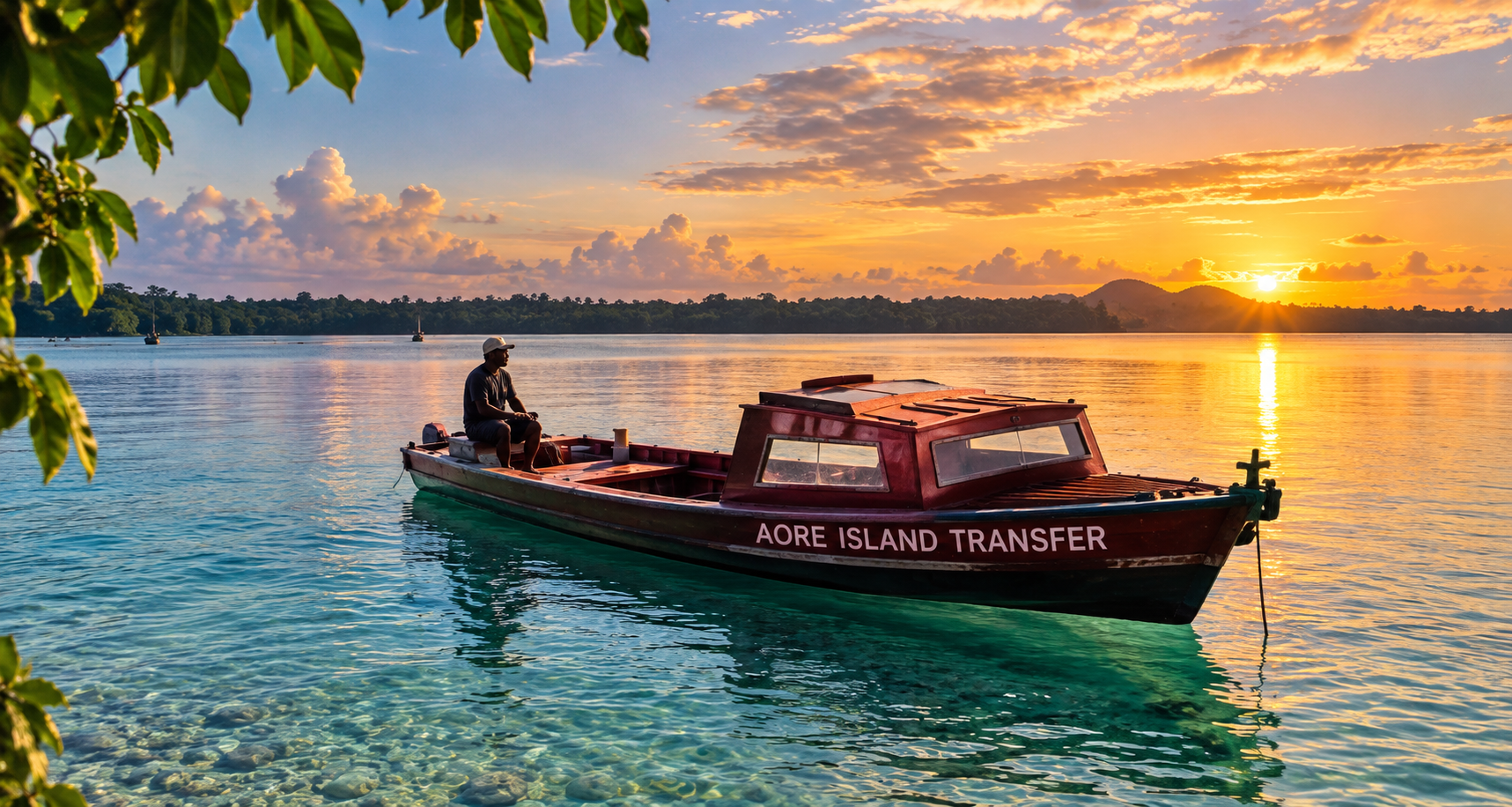
Boat taxis from Santo to Aore Island, Vanuatu. See current ferry, private boat and airport transfer prices, pickup points and travel information.

By Justine Murray
•
October 9, 2026
Discover Aore Island, Vanuatu. Find accommodation, beaches, tours, snorkelling, transport and local experiences just minutes by boat from Santo.